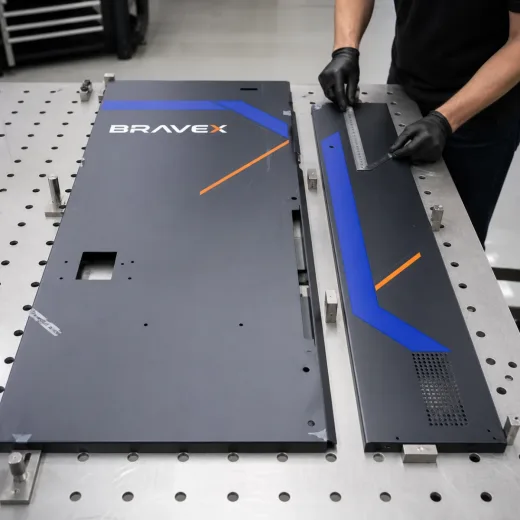
Panel-scale direct printing
Print front, side, and service panels before assembly with consistent graphics and alignment.
Application image: Tall Industrial Panels and Parts UV printing application on production media.
High-bridge UV printing for tall industrial panels and separate rigid housing parts up to 50 cm before assembly, with fixtures and inspection references.
Share your artwork and substrate details. We aim to respond within one business day with the next validation step.
Industrial manufacturers need graphics on tall panels and separate housings before assembly without losing placement, clearance, or handling control. This route covers high-bridge UV printing for elevated rigid parts up to the validated machine clearance.
Print front, side, and service panels before assembly with consistent graphics and alignment.
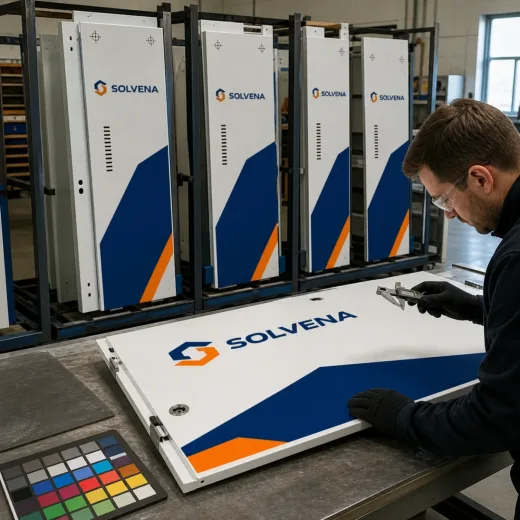
Position separate panels and parts repeatably with clearances and reference points built into the setup.
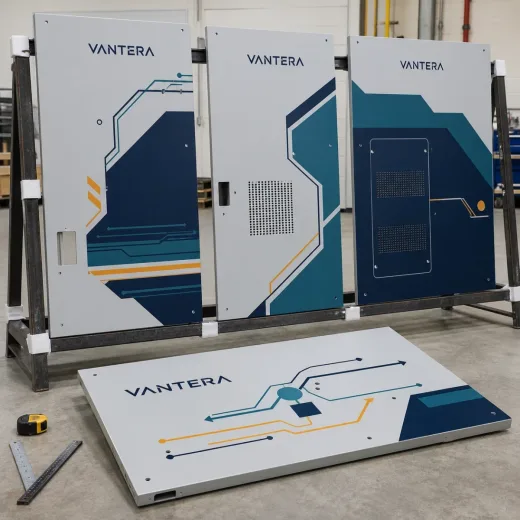
Qualify adhesion, abrasion, cleaning, fit, and handling on the printed parts before the housing is assembled.
Use a high-bridge printer when the part height or fixture requires clearance, and select a rigid-media ink profile suited to the actual surface. Confirm carriage clearance, fixturing, registration, curing, and handling before production.
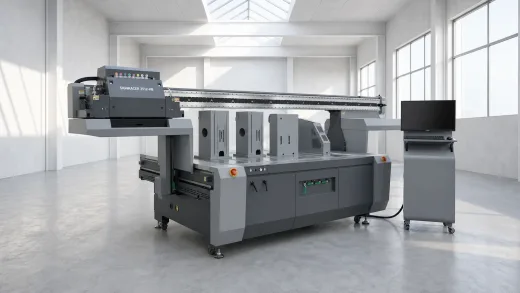
A high-bridge platform for separate housing panels and elevated rigid parts before assembly.
View printer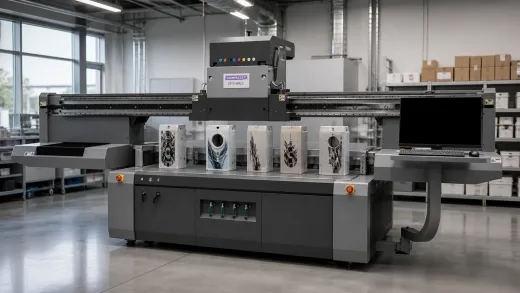
High-bridge clearance for larger fixtures, housing panels, and elevated rigid parts before assembly.
View printerThe usable height depends on the selected high-bridge model, fixture, clearance, and print geometry; configurations must be checked against the actual panel or part.
No. The standard workflow prints separate panels and rigid parts before assembly; the finished housing is assembled after curing, inspection, and fit checks.
Use representative panels and parts to validate registration, adhesion, abrasion, cleaning, fit, and repeat loading before production.
For pre-purchase guidance, contact SIGNRACER directly and include the same application and substrate context in your message.